Rodent Problems in Homes & Businesses
Mice and rats can contaminate food, damage property, and create ongoing frustration for homeowners and businesses. While rodent activity may seem straightforward, the conditions that allow rodents to enter and remain on a property are often less obvious.
Great North Pest Control starts by understanding what is happening, identifying contributing factors, and recommending practical solutions designed to help reduce rodent activity and prevent future problems.
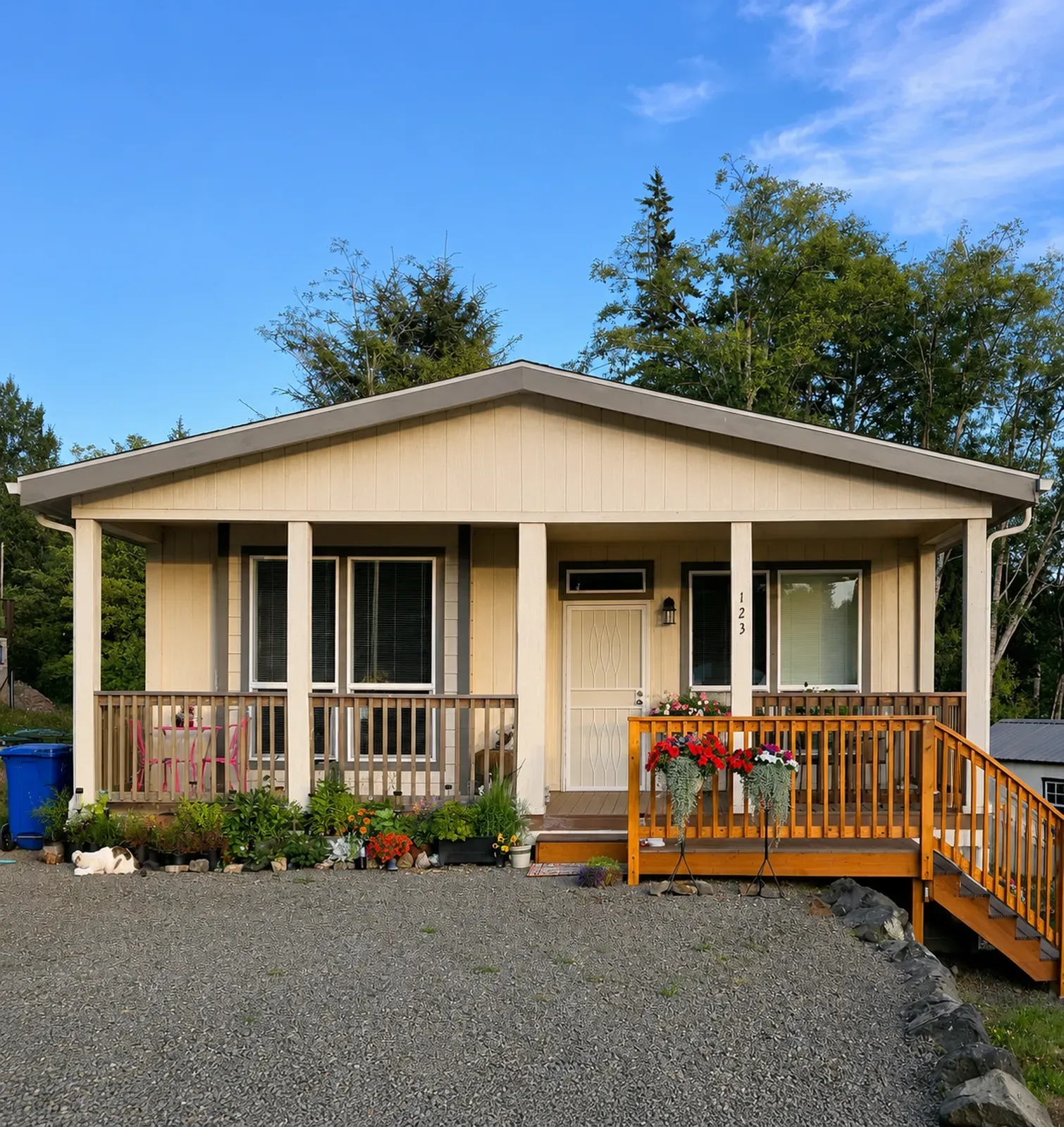
Why Rodent Problems Start
Rodent activity usually begins because mice or rats have found access, shelter, food, or conditions that allow them to survive. The visible signs are often only part of the larger issue.
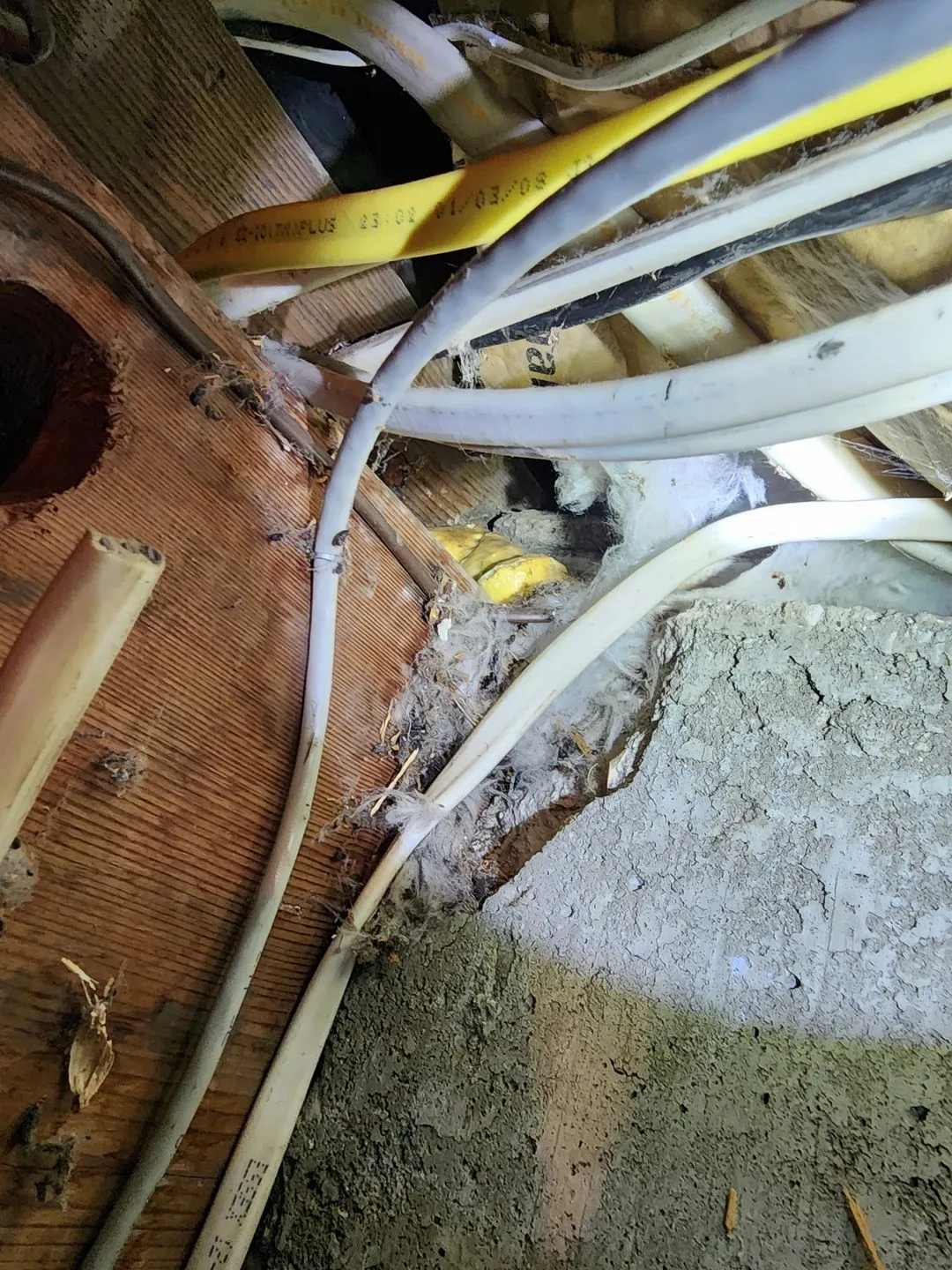
Entry Points
Mice can use small gaps around doors, foundations, utility lines, garage doors, vents, and other openings to enter homes and businesses.
Food & Shelter
Rodents are drawn to areas where they can find food, warmth, nesting material, clutter, storage areas, or protected spaces with limited disturbance.
Hidden Activity
Rodents often move through wall voids, ceilings, basements, garages, utility areas, and exterior edges before activity becomes obvious indoors.
The goal is not just to remove rodents. The goal is to understand why they are there, where activity is occurring, and what can be done to reduce the conditions that allow the problem to continue.
Common Signs You May Have Rodents
Rodents are often active long before they are actually seen. If you notice one or more of the signs below, there may be ongoing activity somewhere on the property.
Droppings
Rodent droppings are commonly found near food storage areas, utility rooms, basements, garages, cabinets, and along travel routes.
Noises in Walls or Ceilings
Scratching, running, or gnawing sounds are often noticed during the evening or overnight when rodents become more active.
Gnaw Marks & Damage
Rodents continuously chew to wear down their teeth. Damage may appear on food packaging, stored items, wiring, wood, and other materials.
Rodent Sightings
Seeing a mouse or rat during the day does not automatically indicate a severe infestation, but it often means there is additional activity occurring out of sight.
Why Rodent Problems Often Return
Trapping or baiting may reduce current activity, but rodent problems often return when the conditions that caused the issue are still present. Long-term control starts with understanding why rodents are there in the first place.
Open Access Points
If rodents can still enter through gaps, utility penetrations, garage doors, vents, or foundation openings, new activity can continue even after rodents are removed.
Food & Harborage
Food sources, clutter, storage areas, vegetation, and protected spaces can continue attracting rodents or allowing them to survive around the property.
Missed Activity Areas
Rodents often travel through hidden areas before activity becomes obvious. If those areas are not inspected, part of the problem may go unaddressed.
Rodent control is not just about what is caught today. It is about identifying activity, understanding contributing factors, and building a practical plan to help reduce the chance of future problems.
A Practical Approach to Rodent Control
Rodent control works best when the service is built around the property, the activity, and the conditions contributing to the problem. Great North Pest Control focuses on inspection, treatment, and practical prevention recommendations.
Inspect the Property
We look for activity, entry points, travel routes, nesting areas, and conditions that may be contributing to the rodent issue.
Identify the Pattern
Rodent signs help tell the story. Droppings, damage, sightings, and noises can help determine where activity may be occurring.
Apply Control Measures
Depending on the situation, service may include trapping, baiting, monitoring, or other control methods designed around the property.
Recommend Prevention
We provide practical recommendations to help reduce future activity, including exclusion, sanitation, storage, and habitat-related improvements.
The best rodent control plans are built around evidence. The goal is to understand what is actually happening so the service and recommendations match the problem.
Learn More About Rodent Problems
Understanding how rodents behave can help explain why activity occurs and what conditions may contribute to ongoing problems. Explore these related articles.
House Mice in Homes & Businesses
Learn where house mice live, what attracts them indoors, and common signs of activity.
Read the House Mice Guide →Deer Mice: What You Should Know
Learn how deer mice differ from house mice and why they are commonly encountered in our region.
Read the Deer Mice Guide →How Mice Get Into Homes
Explore common entry points and why exclusion plays an important role in long-term rodent control.
Learn How Mice Get Into Homes →Rodent Control FAQs
These are some of the most common questions we receive about mice, rats, rodent activity, and rodent control services.
Rodent control pricing depends on the property, the level of activity, accessibility, and the scope of work recommended. Great North may be able to provide a firm estimate quickly when the situation is straightforward. Other situations may require more details, photos, or an inspection before the scope and price can be established.
Rodent activity often returns when entry points remain open or when food, water, shelter, or nesting opportunities continue to be available. Long-term control usually involves both addressing current activity and reducing the conditions that support it.
Every situation is different. Some rodent issues improve quickly, while others require additional time depending on activity levels, property conditions, and the measures needed to address the problem.
The best approach depends on the property and the rodent activity observed. Some situations are best addressed with trapping, others with baiting, monitoring, or a combination of methods. Recommendations are based on the conditions found during the inspection.
Rodents can return if they are able to re-enter the structure or if conditions continue to attract them. This is why exclusion, sanitation, and prevention recommendations are often important parts of long-term control.
Sounds in walls, ceilings, attics, or floor spaces can indicate rodent activity, particularly during evening and nighttime hours. If you are hearing consistent noises, documenting where and when they occur can help provide useful information during an inspection.