Understand Before Recommending
What you are seeing, where activity is occurring, and the conditions around the property can change what makes sense. I would rather ask another question than make an assumption too early.
I'm Mike, owner of Great North Pest Control. Before pest control, I worked in everything from food production and lumber mills to customer support and the semiconductor industry.
The jobs were different, but I kept gravitating toward the same thing: learning how systems work, solving problems, and figuring out why something wasn't working the way it should.
Pest control gave me a new version of that problem almost every day. I didn't expect it to become my career, but once I got into the industry, it made a surprising amount of sense.
After leaving the technology industry, my wife came across a pest control job posting and encouraged me to apply. I gave it a shot without expecting much more than another job.
Instead, I found an industry with an enormous amount to learn. Biology, building construction, sanitation, weather, customer behavior, and the surrounding environment can all affect what is happening at a property.
The longer I worked in pest control, the more interesting it became. A problem that looks familiar at first can change completely because of one small detail, and experience usually creates better questions rather than eliminating the need to ask them.
That combination of problem solving and constant learning is what kept me in the industry.
I learned a lot from the people I worked with, the customers I served, and the different properties and facilities I was responsible for. Over time, I also developed strong opinions about how I wanted pest problems to be handled.
I wanted enough time to understand the problem before making a recommendation. I wanted customers to know what I was seeing and why it mattered. And I wanted the flexibility to recommend a smaller service, a different approach, or sometimes no treatment at all when that made more sense.
Starting Great North gave me the opportunity to build around those priorities instead of treating them as exceptions.
The company is still growing, but the standard is simple: do the work carefully, keep learning, explain what matters, and make the recommendation that fits the situation.
Pest control involves judgment. My job is to gather enough information to make a useful recommendation, explain why I am making it, and adjust when the evidence points somewhere different.
What you are seeing, where activity is occurring, and the conditions around the property can change what makes sense. I would rather ask another question than make an assumption too early.
If I find something important, I want you to know what it is, why it matters, and how it affects the recommendation. You should not have to guess why a service is being suggested.
The right answer may be treatment, monitoring, exclusion, a property change, or sometimes less service than expected. The goal is to address the problem, not automatically make the service larger.
Good pest control is not about having the same answer for every property. It is about knowing what to look for and being willing to change the answer when the details change.
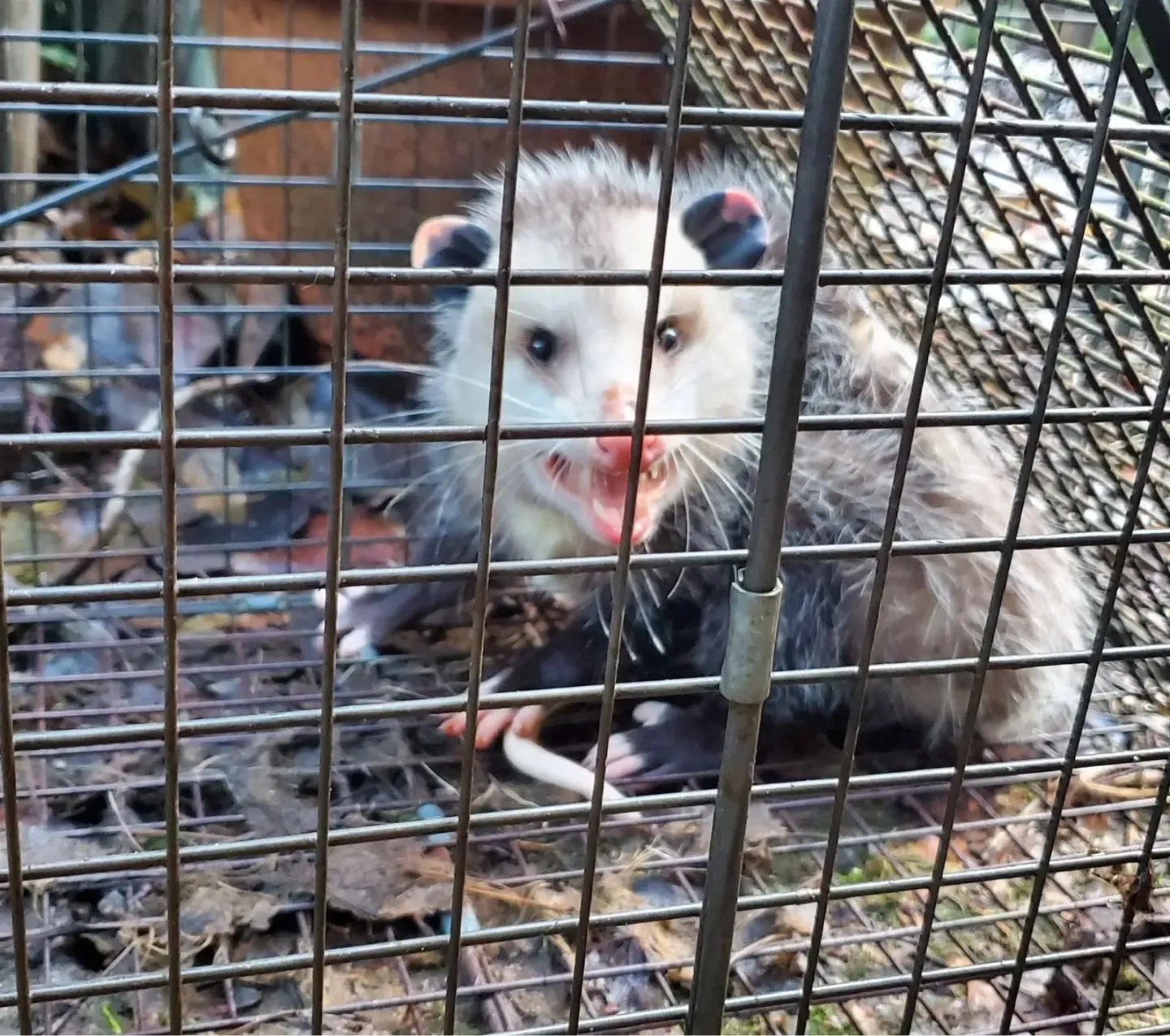
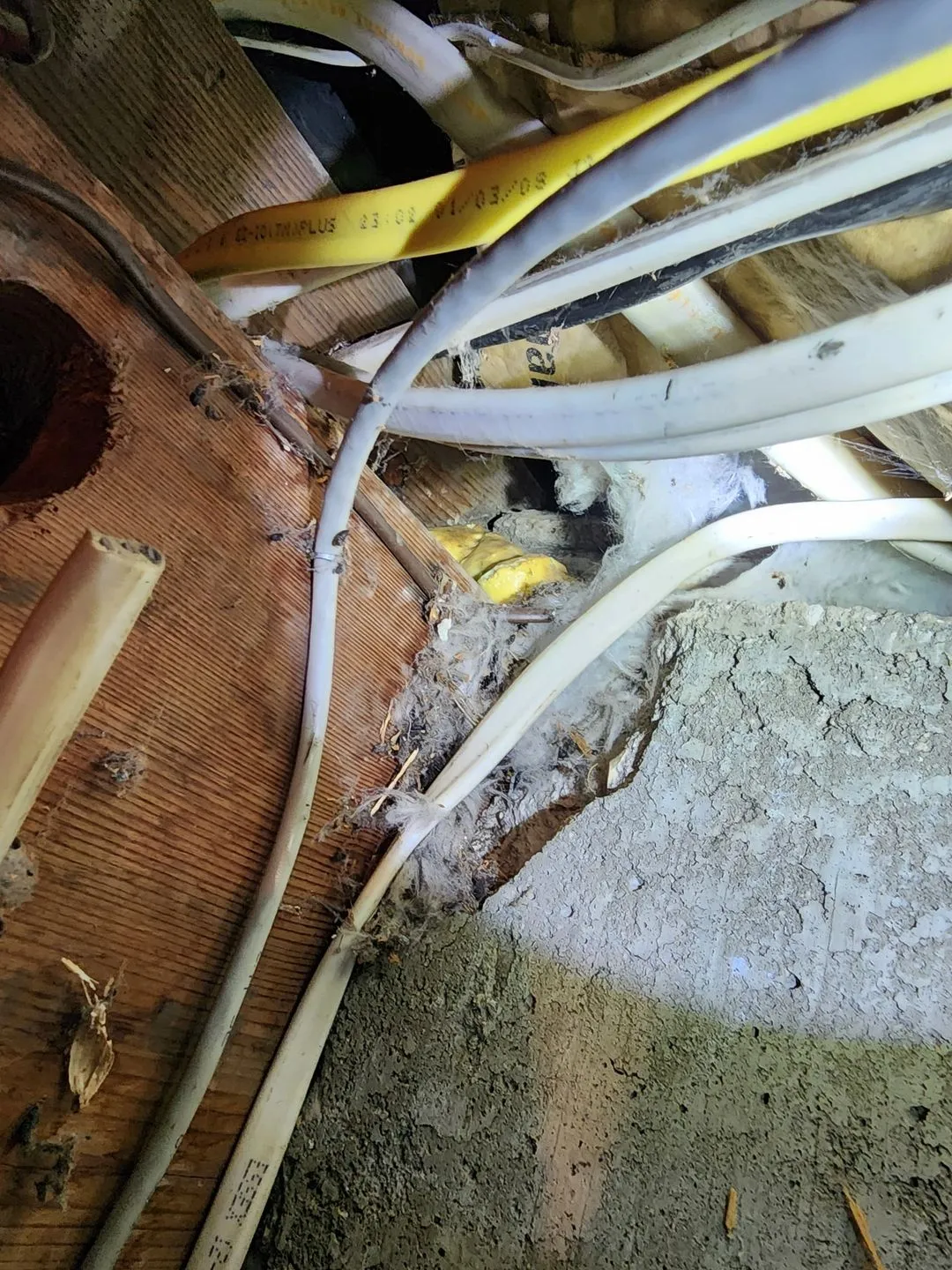
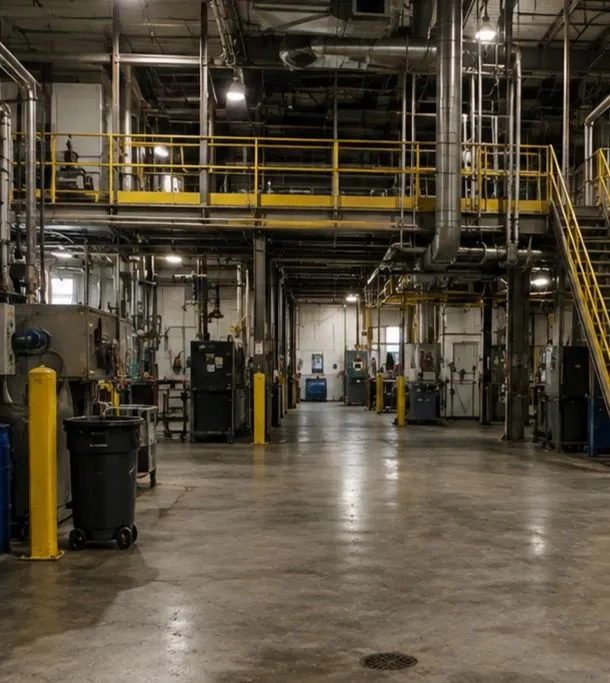
These are examples from actual service work. Different properties, different problems, and different conditions all change what needs attention.
Tell us what you've noticed. You don't need to know what the pest is to get started.