Prevention & Property Protection

Learn to read the conditions around a property.

Pest activity is shaped by more than the pest itself. Food, water, moisture, access, shelter, exterior habitat, and the season can all influence what appears and where.

Changing some of those conditions may lower risk or make a property less supportive of activity. It cannot prevent every problem, and a pest sighting is not a judgment about how well a property is maintained.

Start the property review

Five observation lenses

Look for relationships, not a checklist of faults.

A single condition rarely explains everything. Use these lenses together to understand what a property may be providing and which changes are reasonable.

01

Resources

Food, water & moisture

Why it matters

Accessible food and water can directly support activity. Moisture also changes the setting: damp materials, condensation, drainage, and humidity can create favorable shelter or support decay and organic growth.

What can change

Review food storage, pet feeding, waste handling, spills, leaks, condensation, drainage, and recurring damp areas. Focus on access and conditions, rather than assuming that activity means a property is unclean.
02

Access

Openings & pathways

Why it matters

Doors, screens, utility penetrations, construction joints, vents, and damaged materials can become routes through a building. The opening that matters depends on the pest and the structure.

What can change

Inspect likely transitions and repair them with the building system in mind. Ventilation, drainage, and utilities still need to function; good exclusion is more thoughtful than sealing every visible gap.

03

Shelter

Harborage & quiet spaces

Why it matters

Stored materials, cardboard, voids, debris, and undisturbed areas can offer protected places to hide, nest, or move without being noticed.

What can change

Create inspection space, use durable storage where appropriate, rotate seldom-used materials, and remove accumulations that serve no purpose. Organization also makes new evidence easier to see.

04

Edge conditions

Structure meets landscape

Why it matters

Vegetation, mulch, wood piles, ground cover, roof drainage, and stored items shape the transition between outdoor habitat and the building.

What can change

Keep useful inspection space near the structure, address drainage toward the building, and consider how plants and stored materials touch or crowd walls, roofs, doors, and foundations.

05

Changing pressure

Weather & season

Why it matters

Temperature shifts, storms, dry periods, harvest, snow cover, and normal life cycles can change movement and make activity suddenly more visible.

What can change

Use timing as information. Recheck known entry areas before shelter-seeking periods, watch moisture after weather events, and respond to the pattern rather than treating every season as the same problem.

Practice seeing the property

Small details can explain a larger pattern.

These field examples are not automatic diagnoses. They show the kinds of transitions and conditions worth noticing, then evaluating in context.

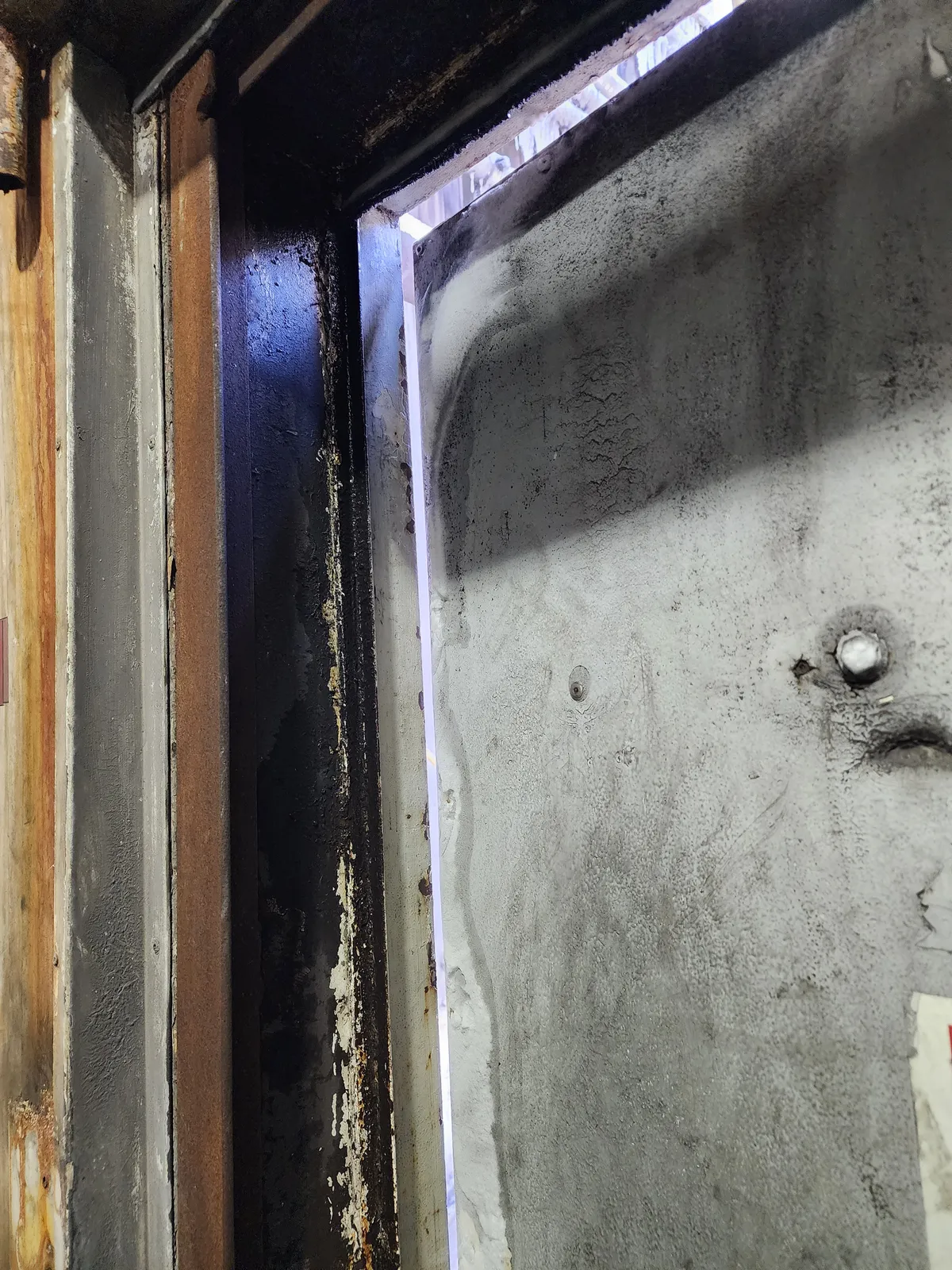
Light showing through a narrow opening beside a door frame and threshold
AccessFollow the edges.

Daylight at a door transition can reveal an incomplete seal. The useful question is which pest could use it and how the door still needs to operate.

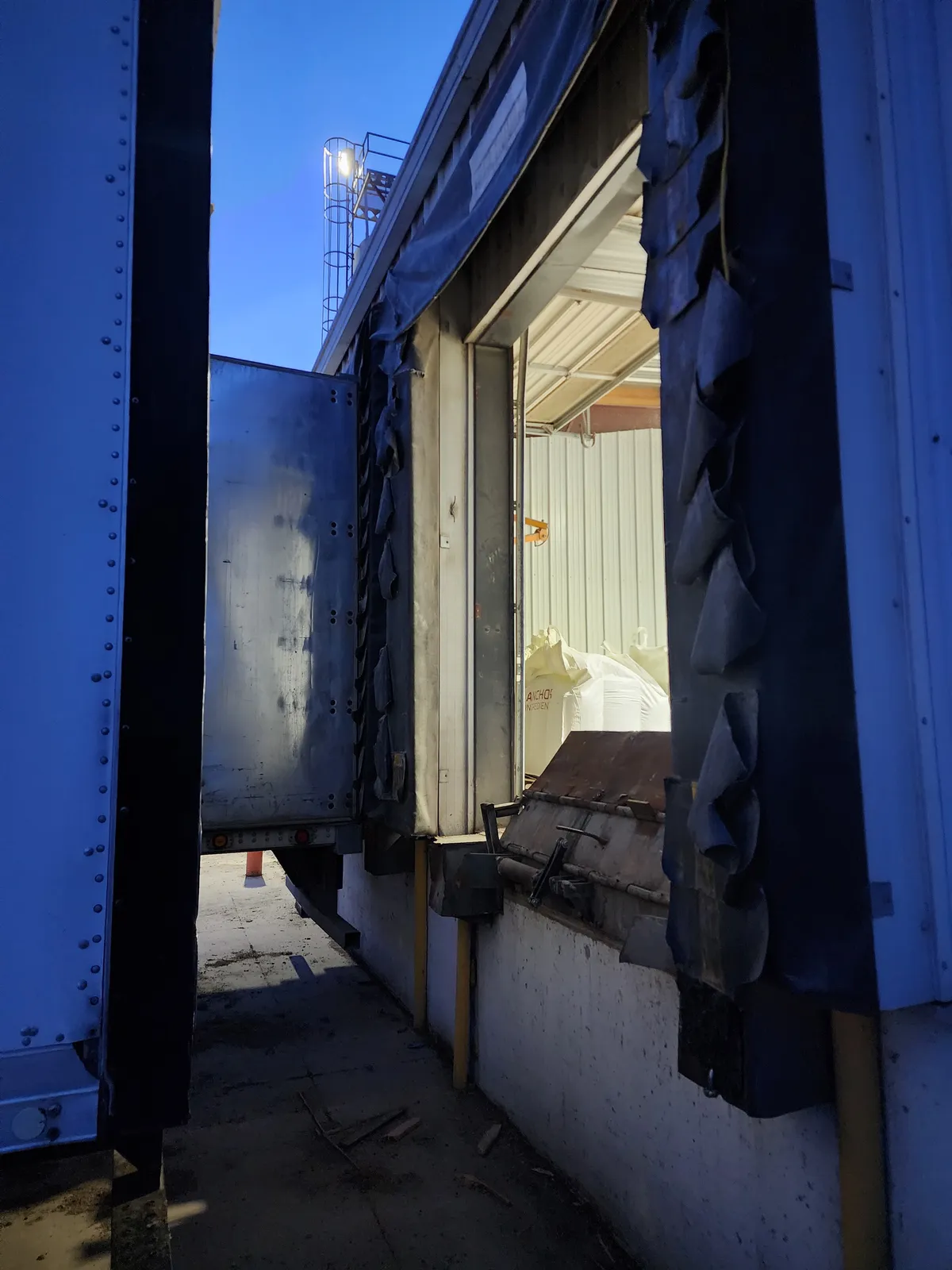
Open loading dock doorway without a closed screen or barrier
OperationsSome pathways are temporary.

An open dock may be necessary for work. Timing, screening, door practices, and nearby attractants can matter as much as permanent construction.

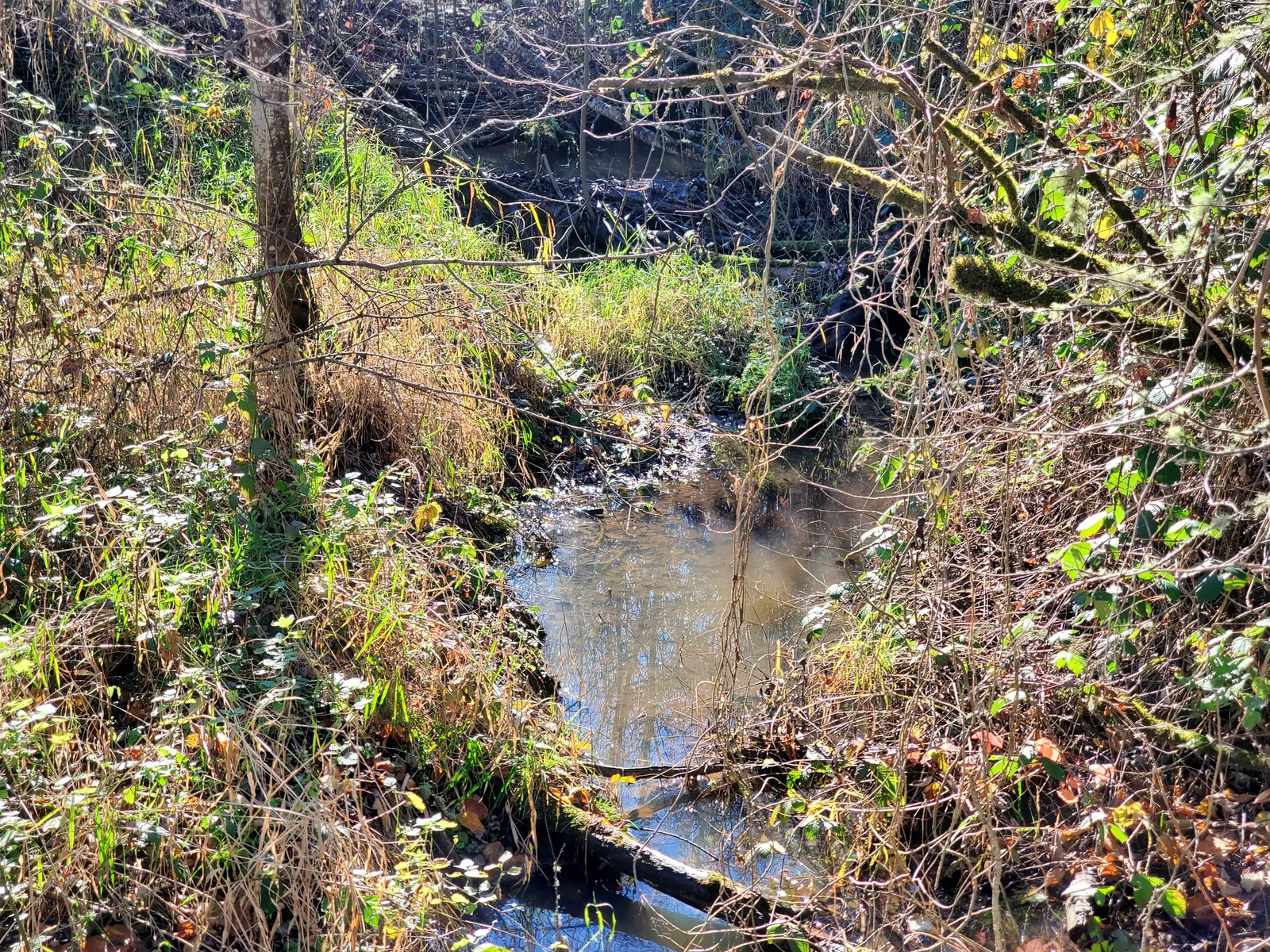
Water in a vegetated drainage channel near developed property
Exterior environmentLook beyond the wall.

Water, vegetation, and surrounding habitat can influence pressure near a structure even when the building itself is well maintained.

Choose the useful next step

Conditions add context. The pest still matters.

Read published pest articles for identification, biology, and prevention guidance. If you are considering ongoing residential service, PestShield is Great North’s program for recurring pest protection.